
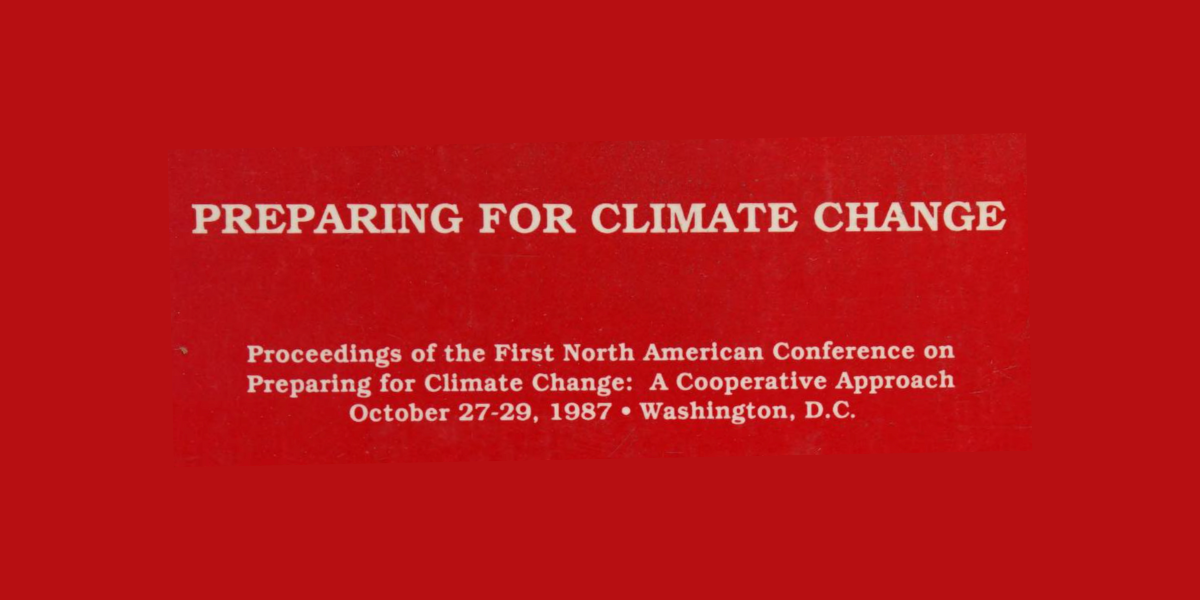
Preparing for Climate Change captures the proceedings from the first North American conference held in Washington, D.C., in October 1987, bringing together scientists, policymakers, and stakeholders to lay a foundation for cooperative, cross-sectoral strategies to address the emerging challenges of global climate change. The volume showcases early
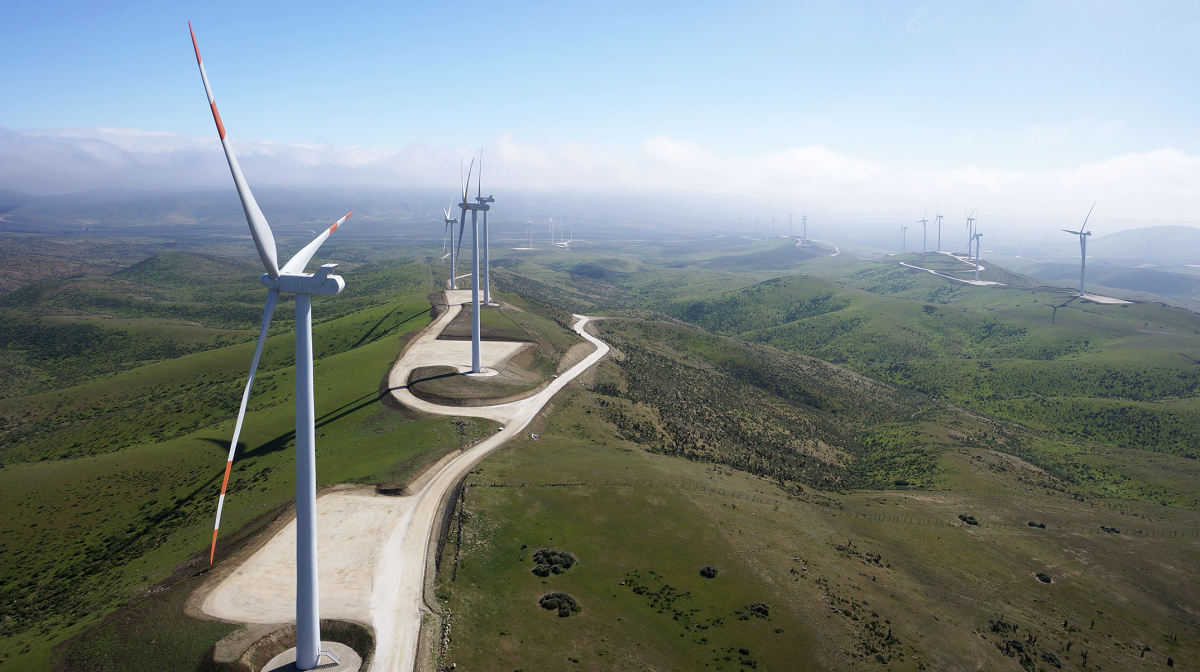
A new Climate Institute analysis finds that Chile has the resources, policy framework, and economic rationale to become a fossil fuel–free economy by 2050. By harnessing abundant renewable energy and fully electrifying its economy, Chile could set a global example of sustainable growth for the 21st century,
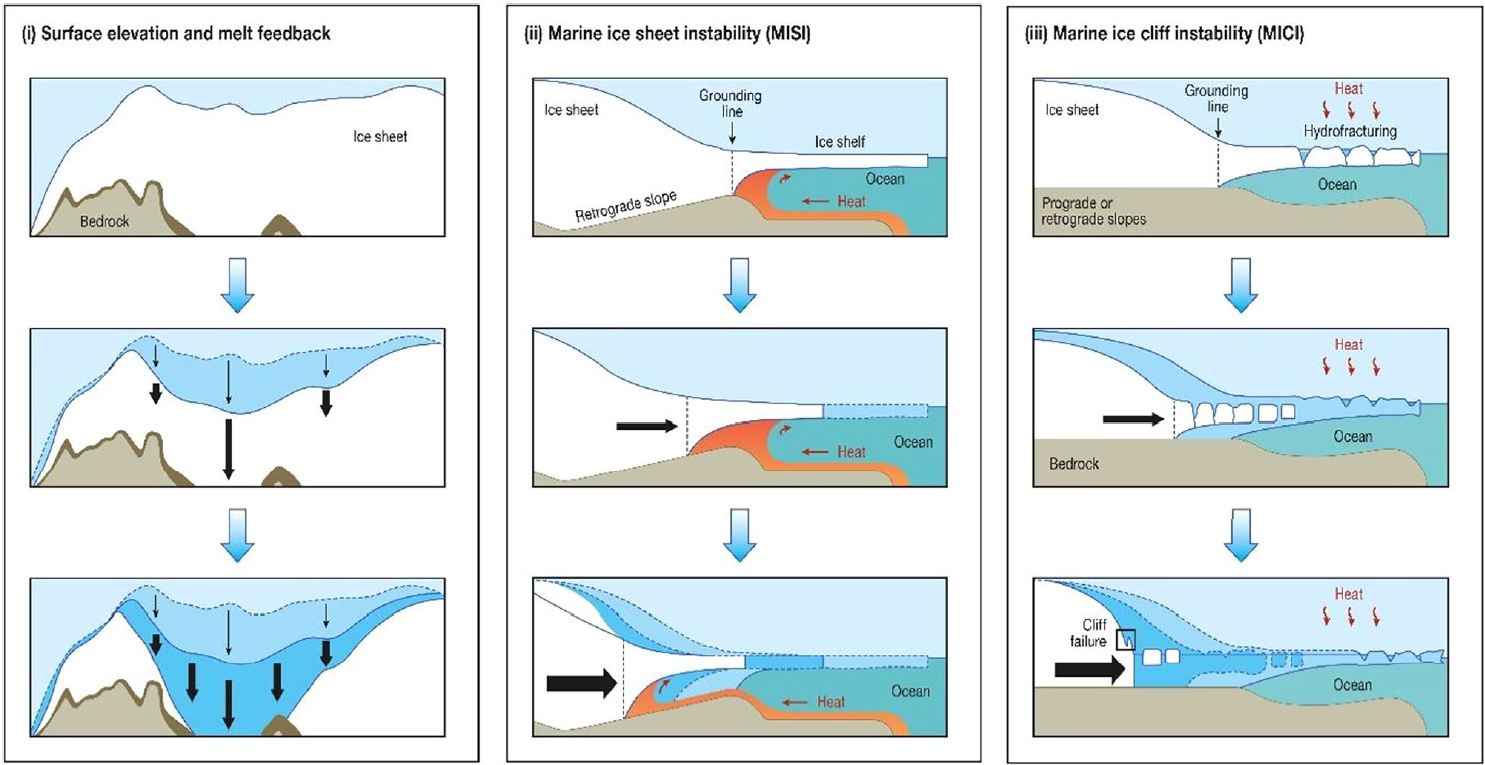
Since the 1990s, the rate at which Greenland and Antarctica are losing ice has increased fourfold, making these ice sheets the leading contributors to global sea-level rise from frozen water sources. This acceleration has sparked growing concern over their long-term stability and intensified interest in identifying

Global Temperatures The year 2024 was the warmest year since global records began in 1850 at 1.29°C (2.32°F) above the 20th century average of 13.9°C (57.0°F). This value is 0.10°C (0.18°F) more than the previous record set last year. The ten warmest years in the

Home / View Publication CARBON CONCESSIONS IN PERU By Walter Vergara, Vice President, Climate Institute Abstract This report examines the context and performance of forest concessions in Permanent Production Forests in Peru, documenting their impact on the economy and reviewing the overall results of the concession
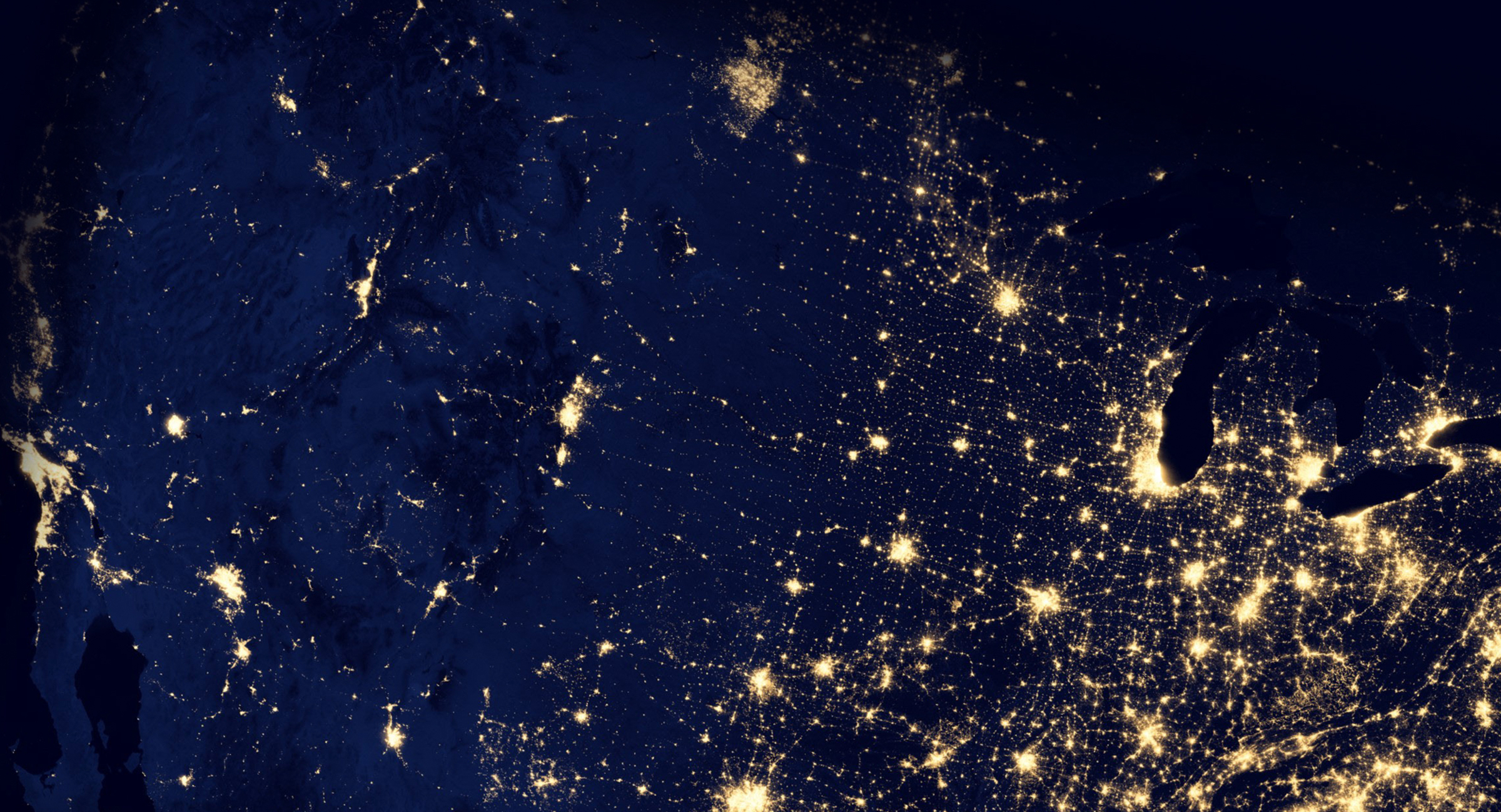
Home / View Publication This initiative would not have been possible without the groundbreaking, foundational work of the National Oceanic and Atmospheric Administration funded study that generated the Nature Climate Change publication entitled Future Cost-Competitive Electricity Systems and their Impact on US CO2 Emissions. This academically

Home / View Publication The Working Group II contribution to the IPCC Sixth Assessment Report assesses the impacts of climate change, looking at ecosystems, biodiversity, and human communities at global and regional levels. It also reviews vulnerabilities and the capacities and limits of the natural world
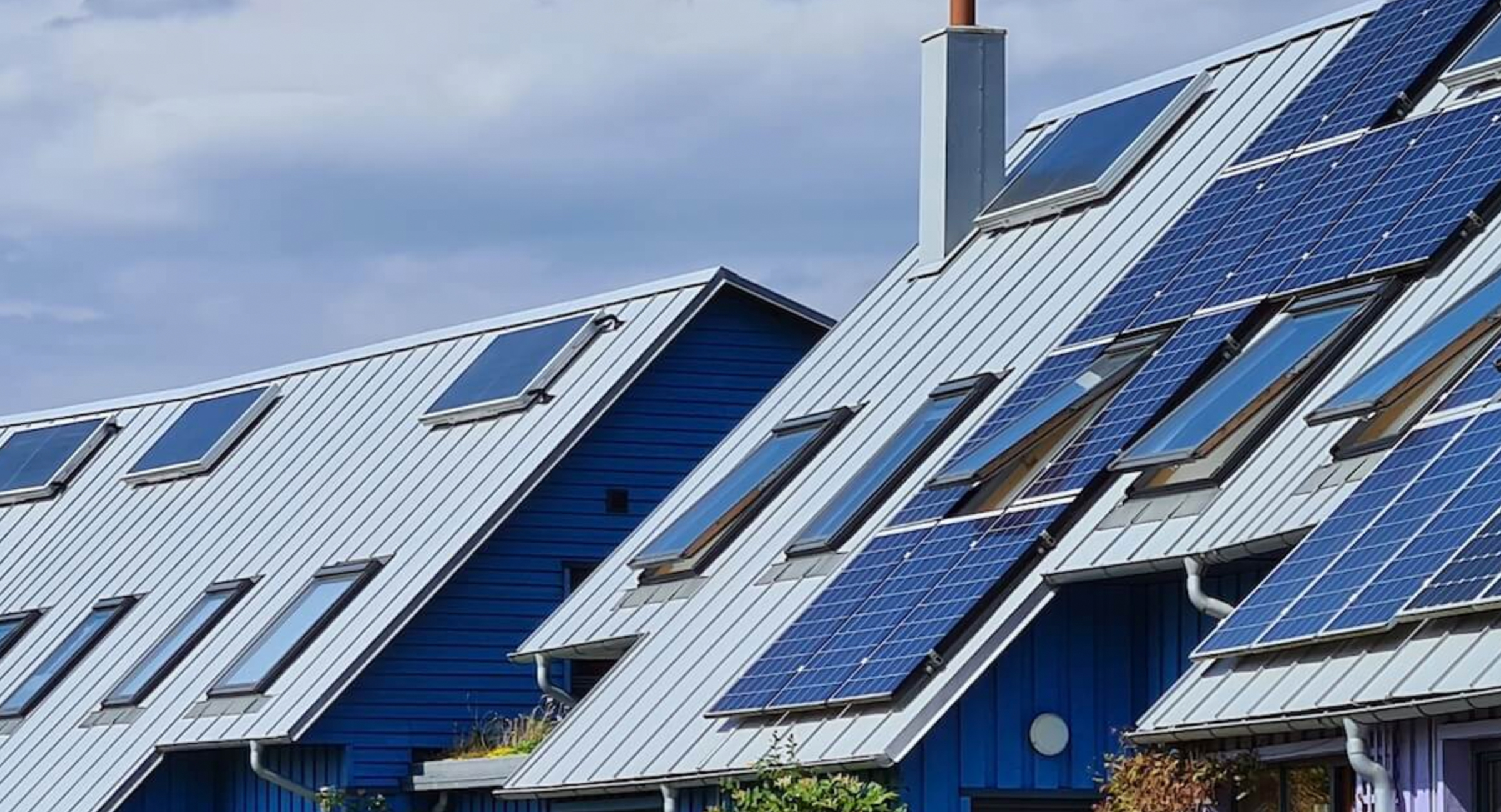
Home / View Publication The Working Group III report provides an updated global assessment of climate change mitigation progress and pledges, and examines the sources of global emissions. It explains developments in emission reduction and mitigation efforts, assessing the impact of national climate pledges in relation

Home / View Publication EPA has developed a national-scale, multi-sector report which quantifies projected health effects to children from climate change. The report considers factors such as extreme heat, air quality, changing seasons, flooding, and infectious diseases. Where possible, the analyses consider the extent to which
Preparing for Climate Change captures the proceedings from the first North American conference held in Washington, D.C., in October 1987, bringing together scientists, policymakers, and stakeholders to lay a foundation for
A new Climate Institute analysis finds that Chile has the resources, policy framework, and economic rationale to become a fossil fuel–free economy by 2050. By harnessing abundant renewable energy and fully
Since the 1990s, the rate at which Greenland and Antarctica are losing ice has increased fourfold, making these ice sheets the leading contributors to global sea-level rise from frozen water
Global Temperatures The year 2024 was the warmest year since global records began in 1850 at 1.29°C (2.32°F) above the 20th century average of 13.9°C (57.0°F). This value is
Home / View Publication CARBON CONCESSIONS IN PERU By Walter Vergara, Vice President, Climate Institute Abstract This report examines the context and performance of forest concessions in Permanent Production Forests
Home / View Publication This initiative would not have been possible without the groundbreaking, foundational work of the National Oceanic and Atmospheric Administration funded study that generated the Nature Climate
Home / View Publication The Working Group II contribution to the IPCC Sixth Assessment Report assesses the impacts of climate change, looking at ecosystems, biodiversity, and human communities at global
Home / View Publication The Working Group III report provides an updated global assessment of climate change mitigation progress and pledges, and examines the sources of global emissions. It explains
Home / View Publication EPA has developed a national-scale, multi-sector report which quantifies projected health effects to children from climate change. The report considers factors such as extreme heat, air